10 Gym Essentials That You Need
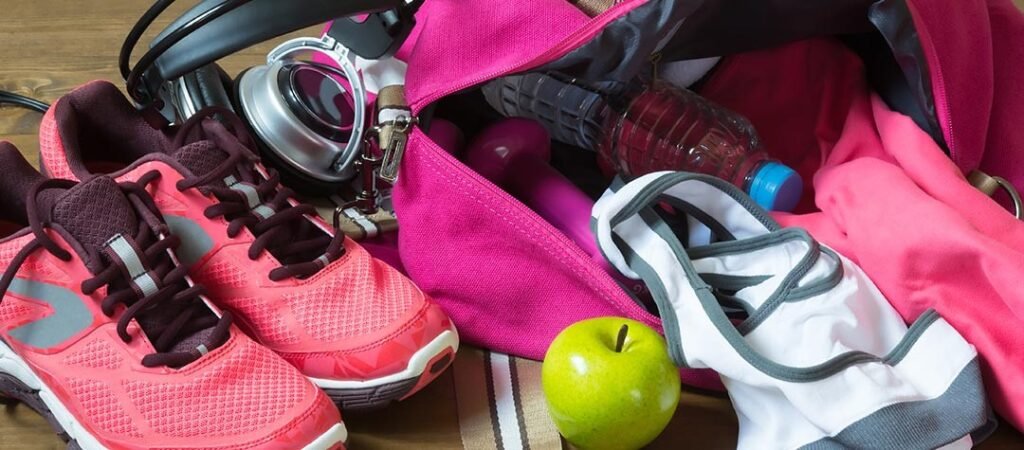
The right gear can make or break a workout. Whether you’re chasing a new PR or just trying to get through leg day in one piece, having the right tools on hand helps you train harder, recover faster, and actually enjoy the process. Here are 10 gym essentials worth keeping in your bag.
In this article
Gym Essentials Must-Have
#1. A Good Gym Bag
 Check price on Amazon

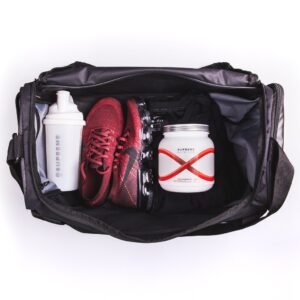
If you’d rather sling it over one shoulder, there’s a strap for that too. And before you even open it up, there’s a side pocket sized for your water bottle — small detail, but one you’ll use every single day.
#2. Training Sneakers
 Check price on Amazon

For leg day, a flatter sole gives you a more stable base for squats and leg press. For running, you’ll want something more rounded that lets your foot move naturally through each stride. And since gym style has become its own thing, there’s no reason your sneakers can’t look as good as they perform.
#3. Supplements
Check price on Amazon
Pre-workout is a different story. I don’t take it every session, but on the days I’m dragging — tired, unmotivated, just not feeling it — a scoop is usually what gets me through a hard set.
#4. A Proper Playlist and Headphones
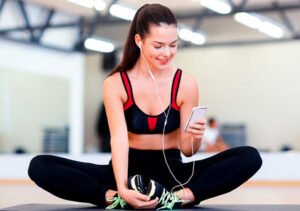 Good music does something a warm-up alone can’t: it gets you locked in. Whether you’re chasing a new PR or just trying to grind out the last few reps, the right track in your ears makes the whole session more enjoyable — and noticeably more productive.
Check price on Amazon
#5. A Weightlifting Belt
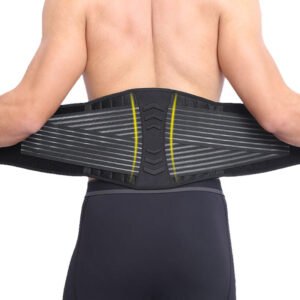 Check price on Amazon

The idea is simple: bracing against a belt adds pressure inside your abdominal cavity, which pushes back against your spine from the outside while your core pushes from the inside. That combination acts like a stabilizer, keeping your spine neutral and reducing strain during heavy lifts like deadlifts. I notice a real difference in stability when I wear one — it’s worth testing out for yourself.
#6. Knee Sleeves
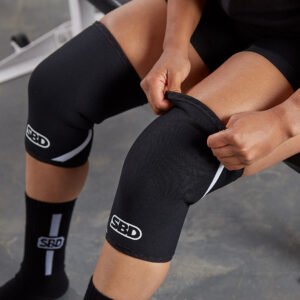 Check price on Amazon

Like a belt, sleeves add compression, which in theory helps increase blood flow to the joint. If your knees take a beating during your usual routine, they’re worth adding to your bag.
#7. A Fitness Tracker
 Check price on Amazon

What makes a tracker genuinely useful, though, is turning your progress into real numbers. Once you can see exactly how many calories you burned or how many steps you logged, it’s a lot easier to set goals: burn 100 more tomorrow, dial it back today, whatever the plan calls for. Want more picks? See our 13 best smartwatches of 2026.
#8. Lifting Straps
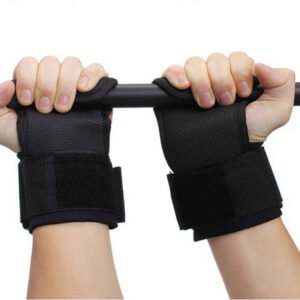 Check price on Amazon

I mostly save mine for deadlift day, especially when I’m chasing a new PR or doing low reps at high weight. Outside of that, I try to rely on my own grip strength — but as an affordable, no-brainer addition to any lifter’s bag, straps are hard to beat.
#9. A Shaker Cup

Check price on Amazon
My shaker has basically become a pre-workout-only fixture in my bag at this point. I like keeping amino acids stored in the top compartment — press the button, it drops into the shaker, and you’re good to go.
#10. Wrist Wraps
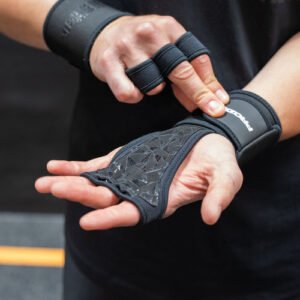 Check price on Amazon

They won’t make you stronger, but they add real support, working a lot like knee sleeves do: a bit of added compression that helps prevent strain or re-injury, especially if you’ve dealt with wrist issues before.
Conclusion
None of these are strictly required to get a good workout in, but each one solves a real problem — comfort, safety, recovery, or just staying motivated enough to show up. Start with whichever gaps you actually have in your own routine, and build your bag from there.
Want more? Check out 9 Fitness and Health Gift Ideas and 5 Crucial Exercises for Knee Pain.
Editor’s note:
We would love for you to share your feedback. Please support us by either liking, sharing, or commenting on this article.
To your success,
Thanks.


2 comments